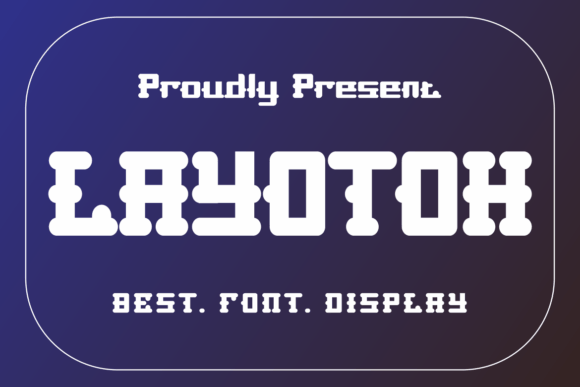
Layotoh: A Bold Serif Font That Builds Brand Trust
As a small business owner who’s designed everything from coffee sleeve labels to Instagram story templates, I know how much a single font choice can shape how customers see your brand—not just in style, but in credibility. Layotoh isn’t just another decorative typeface. It’s a confident, high-impact serif font built for visibility and consistency across every customer touchpoint you manage yourself.
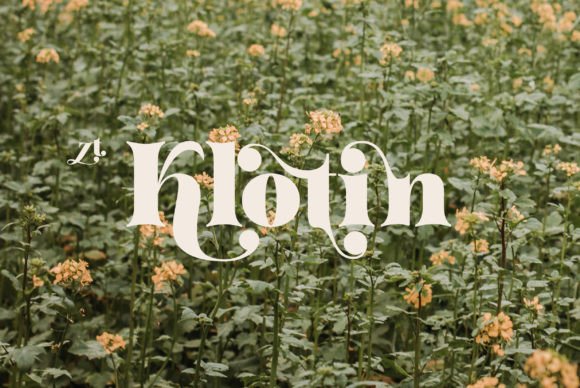
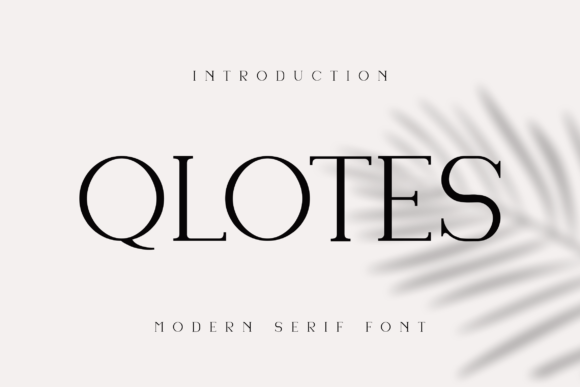
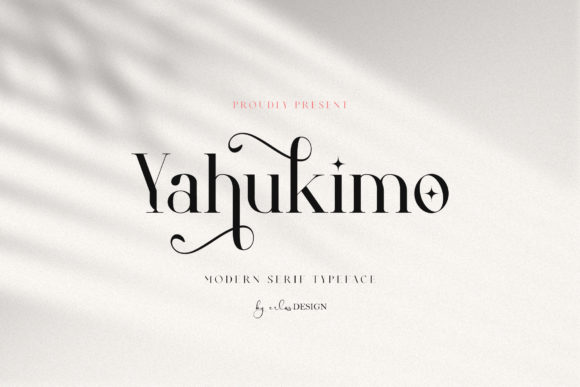
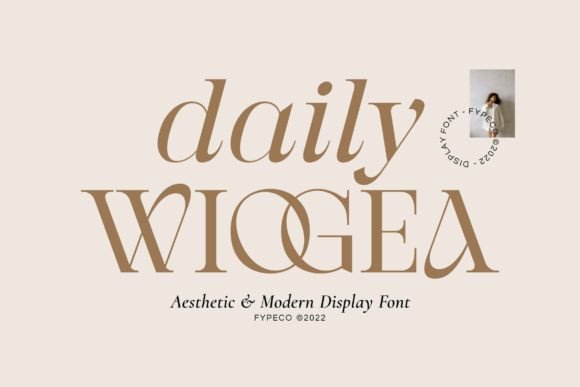
Layotoh has presence. Its strong serifs, balanced proportions, and slightly assertive stroke contrast give it a grounded yet modern personality—think “thoughtful craftsmanship meets quiet confidence.” It’s not overly ornate like some script fonts, nor does it fade into the background like generic sans serifs. Instead, Layotoh holds attention without shouting. That makes it ideal for small businesses that want to stand out in crowded markets—whether you're launching a new line of ceramic mugs, rebranding your wellness coaching practice, or designing packaging for organic skincare products.
Where does Layotoh work best? As a display font—meaning it shines in headlines, logos, product names, and banners—not body text. You’ll get the strongest impact when using it for your café’s chalkboard menu header, your handmade soap label’s brand name, or the bold headline on your Etsy shop banner. Because it’s a serif font with clean geometry, it reads clearly even at medium sizes on printed materials like business cards, thank-you tags, and event flyers. On mobile screens, it stays legible in Instagram post titles or Pinterest pin headers—as long as you keep line length reasonable and avoid cramming too many words into one line.
I’ve used Layotoh for three very different real-world projects—and each time, it helped unify the look without requiring a designer. First, for my friend’s boutique candle brand, we applied Layotoh to the front label (brand name only), paired with a simple sans serif for scent descriptions. Instantly, the packaging looked intentional—not DIY. Second, for my own freelance coaching website, I used Layotoh in the hero section headline (“Clarity Starts Here”) and kept all navigation and paragraph text in a neutral, highly readable sans serif. The contrast made the message feel both personal and professional. Third, for a local bakery’s seasonal flyer, Layotoh anchored the headline (“Pumpkin Spice & Everything Nice”), while the ingredient list and hours stayed in a friendly serif body font. Customers told us the flyer felt “warm but put-together”—exactly the tone we wanted.
Consistency is where Layotoh truly earns its place in your brand toolkit. When you use the same distinctive serif font across your logo, social media cover photo, product sticker, and email newsletter banner, people begin to recognize your visual rhythm—even before they read your name. That recognition builds trust over time. A customer who sees Layotoh on your jar label, then again on your Instagram bio, then again on your website footer, subconsciously registers continuity. That’s professionalism you communicate without saying a word.
But don’t assume Layotoh should go everywhere. It’s not meant for long paragraphs, ingredient lists under 10pt, or tiny QR code labels. Reserve it for moments where you want emphasis, identity, and intentionality. Use it as your brand’s “voice” in headlines—and let a clean, legible companion do the heavy lifting in supporting text. Good pairings include neutral sans serifs like Inter, Poppins, or Montserrat for digital and print readability—or even a warm, low-contrast serif like Merriweather or Lora for print-heavy brands (like stationery or bookish boutiques) that want layered typographic depth.
Before rolling Layotoh out across your entire brand, test it in context. Print a mock-up of your product label at actual size. View your Instagram post draft on your phone—not just desktop. Paste the font into your Shopify theme editor and check how it renders in Safari and Chrome. Does the ‘g’ or ‘a’ look clear at 16px? Does the spacing between letters feel open enough on a curved mug wrap? These small checks prevent costly reprints or redesigns later.
One practical note: Layotoh is a commercial font, so double-check its license before applying it to merchandise, client deliverables, or digital templates you plan to sell. Most reputable sellers offer clear licensing tiers—some cover personal use only, while others include unlimited commercial use, including physical product packaging and resale items. If you’re selling branded t-shirts or editable Canva templates, make sure your license explicitly permits those uses. Skipping this step could mean unexpected fees or having to rework designs down the line.
For service-based entrepreneurs—like life coaches, photographers, or consultants—Layotoh adds weight and clarity to your positioning. Try it in your LinkedIn headline (“Strategic Brand Guidance | [Your Name]”), your proposal cover page, or your workshop title slide. Its serif structure subtly signals experience and care, while its contemporary shape keeps you feeling current—not dated.
If you run a food-based business—bakery, spice blend brand, or craft kombucha—you’ll appreciate how Layotoh balances warmth and precision. It doesn’t lean too rustic (like distressed wood-type fonts) or too sterile (like ultra-thin tech fonts). Instead, it feels human-made and carefully considered—perfect for brands rooted in real ingredients and real people.
Ultimately, Layotoh works because it supports your goals—not the other way around. It helps you look consistent across platforms, trustworthy in customer-facing materials, and memorable in a scroll-heavy world. And as someone who’s managed branding solo for six years, I can tell you: choosing one strong, versatile serif font like Layotoh simplifies decisions, speeds up design time, and strengthens how your business is perceived—without needing a full rebrand.
Start small. Drop Layotoh into your next logo variation, your upcoming holiday sale banner, or your product launch email subject line. See how it changes the tone—not just the look. Then build outward, always asking: does this use reinforce what my customers already know about me? With Layotoh, the answer tends to be yes.